

Mold Inspection for Home Buyers & Sellers in Sacramento
Buying or selling a home is one of the largest financial decisions you will make. In Sacramento's market, where aging housing stock, raised-foundation construction, and seasonal moisture cycles create real mold risk, an unbiased mold inspection protects both your investment and your transaction.
Mold Inspection Service provides independent mold testing and moisture assessment for Sacramento home buyers and sellers. We do not perform remediation, which means our findings carry no financial incentive. Reports are built to hold up with agents, lenders, insurers, and attorneys — because the results are conflict-free.
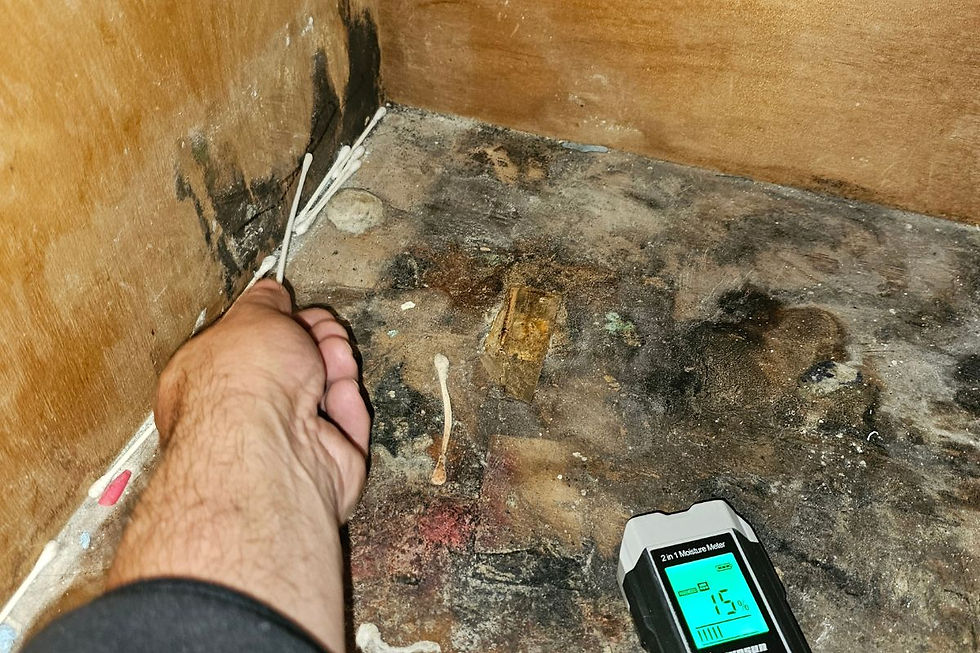

Why a Standard Home Inspection Isn't Enough
Standard home inspections assess structure and safety, but they do not include mold testing, indoor air quality measurement, or mold species identification. Mold frequently thrives in concealed areas inaccessible during a standard walkthrough, such as behind drywall, beneath flooring, inside HVAC ductwork, and in attics or crawlspaces. Furthermore, cosmetic repairs often conceal long-standing water damage, making a visual inspection insufficient to identify serious, hidden contamination risks.
For buyers, a dedicated mold inspection during the contingency period is crucial, particularly for older Sacramento homes or properties with a history of water intrusion, as it identifies hidden problems before ownership transfer. For sellers, a pre-listing inspection prevents costly, deal-killing surprises like price reductions or contract cancellations mid-escrow. By inspecting early, sellers gain control of the transaction timeline, strengthen their California Transfer Disclosure Statement, and significantly reduce post-closing liability.
What's at Stake in Your Transaction
Hidden Mold
Mold thrives in concealed spaces (drywall, flooring, HVAC, crawlspaces, attics). Cosmetic updates often hide underlying water damage. Our inspections use thermal imaging, moisture meters, and lab analysis to find contamination a visual walkthrough misses.
Property Value and Repair Costs
Untreated mold deteriorates building materials. For buyers, this means potential repair costs of tens of thousands. For sellers, it risks mid-escrow price reductions, credits, or a failed deal, and legal exposure.
Health Risks
Mold exposure is linked to respiratory problems, asthma, and allergic reactions, especially for vulnerable residents (children, the elderly, and immunocompromised). Our inspection quantifies indoor air quality and identifies mold species to help you make informed safety decisions.

How the Inspection Works — On Your Timeline
1.

Scheduling and Access
Schedule the inspection directly or via your agent, accommodating your timeline and usually within a few days.
2.

On-Site Inspection
The inspector performs a visual assessment, using thermal imaging and moisture meters. Based on these findings, they determine if lab samples (air, surface, or inner-wall) are needed.
3.

Lab Analysis and Report Delivery
Samples are sent to a certified lab, and you receive the report within 3–4 business days. The report includes lab results, what was completed, and specific next-step recommendations, including a detailed remediation scope of work if advised.
4.

Post-Inspection Consultation
The inspector reviews the results with you, explaining the problem, its cause, and recommended action. Follow-up consultation is available at no extra charge.
Keep Your Indoors Clean and Save With These Specials


How the Report Supports Your Transaction
The inspection report is structured for real estate transactions. Here is how it serves each party:
For Buyers
-
Provides documented evidence of property conditions during the contingency period
-
Quantifies indoor air quality with certified lab data — not assumptions
-
Gives you leverage to negotiate repairs, credits, or price adjustments based on objective findings
-
Satisfies lender and insurance requirements that may call for mold clearance before funding
-
Stands up to scrutiny from agents, attorneys, and insurers because the findings are independent
For Sellers
-
Strengthens your Transfer Disclosure Statement with third-party documentation
-
Removes the risk of a buyer's inspector uncovering problems you didn't know about mid-escrow
-
Demonstrates proactive due diligence, which builds buyer confidence and speeds up closing
-
If the property is clean, a clearance letter becomes a selling point in your listing
What Happens If Mold Is Found
A positive finding does not mean your transaction is dead. Here is what happens next:
Your report includes a recommended scope of work (remediation plan) that contractors use for cleanup steps and cost estimates.
For buyers, this scope of work is a negotiation tool to request the seller to complete remediation, negotiate a credit, or adjust the price.
For sellers, addressing the issue before listing (or providing a clear plan and cost estimate) prevents the transaction from stalling in escrow.
After remediation, we perform a clearance inspection to confirm work is correct and air quality is acceptable. The clearance letter satisfies the requirements for closing.
Why Sacramento Properties Carry Specific Mold Risk
Sacramento's climate and housing stock create conditions that favor mold growth year-round:
Seasonal Moisture Cycles
Hot, dry summers followed by wet winters stress building envelopes and create condensation problems as temperatures shift
Raised Foundations and Crawlspaces
Many Sacramento homes sit on raised foundations, where moisture accumulates undetected for months or years
Older Housing Stock
Established neighborhoods like Land Park, East Sacramento, Midtown, and Curtis Park have homes built before modern moisture barriers and ventilation standards were common
Proximity to Waterways
Properties near the Sacramento and American Rivers or in flood-prone zones face elevated water intrusion risk
Heavy HVAC Use
Cooling systems running through Sacramento's extended summers create condensation that can feed mold in ductwork and wall cavities
What Our Satisfied Customers Say Online

Eve Viloria

We reached out for a mold inspection which started very stressful as one more thing to do for this house. Yet once I spoke to Leilani, it put my mind at ease. They were professional, responsive, and thorough. The inspector Jason made it simple and objective. Hiring them gave the best peace of mind!
I would use them again 100%.
Areas We Serve
Sacramento
McClellan Park
Mather
Foothill Farms
Rosemont
La Riviera
Florin
Rancho Murieta
Rio Linda
Fruitridge Pocket
Lemon Hill
Elk Grove
Elverta
Vineyard
Franklin
Wilton
Galt
Herald
Walnut Grove
Courtland
Hood
Clay
Isleton


Our Recent Articles
Get a mold inspection if you notice musty odors, visible mold, water stains, or unexplained respiratory symptoms. It's essential after any water damage, leaks, or flooding, since mold can grow within 24–48 hours. For home buyers in Sacramento, include mold inspection in your due diligence process—it can save thousands and provide negotiating power. We also recommend inspections after previous remediation work to ensure proper completion. If you are having a baby or already have a baby in the home, a mold inspection is especially important, since infants are more vulnerable to respiratory issues, allergies, and immune system stress caused by mold exposure. Protecting their health early on can prevent long-term complications.
California doesn't legally require mold inspections for real estate, but sellers must disclose known mold problems under state law. The Toxic Mold Protection Act requires landlord disclosure and habitable conditions. While not mandatory, mold inspection is one of the best investments to protect your health and financial interests. Our reports meet legal requirements for disclosure and remediation verification, accepted by real estate professionals and insurance companies throughout Sacramento County.
A typical home inspection takes 1-2 hours depending on property size and complexity. Our certified inspector uses professional equipment for systematic visual inspection, thermal imaging, and sample collection. Each air/surface sample takes about 5 minutes. We explain findings during the process and answer questions. Laboratory analysis takes 3-4 business days, then you receive a comprehensive written report with specific recommendations.
Because escrow timelines are tight, we move quickly. Once we collect air or surface samples, they are sent to an accredited, independent laboratory. You can typically expect your comprehensive, legally defensible report within 2 to 3 business days. Note: If you are facing an imminent contingency deadline, expedited lab processing is often available.
If laboratory analysis reveals elevated mold, you'll receive a detailed remediation protocol outlining required work, affected areas, and safety measures. As an unbiased company, we don't perform remediation ourselves - our recommendations serve your best interests. We can refer qualified contractors, but you choose any certified professional. After remediation, we recommend post-remediation clearance testing to verify successful completion and document that your home is safe.
Mold doesn’t have to kill your home purchase. Get a professional assessment to understand the scope and severity. Use our detailed report to negotiate with sellers for remediation, price reduction, or closing credits. California law requires disclosure of known mold issues. Small, localized problems are often easily remediated, while more extensive issues can impact costs and planning—but with the right information, you can make an informed decision on the purchase of the home. We provide rapid assessment services to keep your transaction timeline on track.
Frequently Asked Questions
