
How the Report Serves Your Building
The inspection report is structured for commercial property operations:
For Building Owners
-
Provides certified, third-party documentation of building conditions for liability protection
-
Establishes the actual scope of a moisture or mold issue before you authorize remediation spending
-
Supports due diligence for sales, refinancing, or lease negotiations with defensible lab data
-
Creates a dated record of proactive assessment that strengthens your position if a tenant, insurer, or regulator raises concerns later
For Tenants and Business Operators
-
Gives you objective data to support a formal request to the landlord for remediation or air quality improvement
-
Documents indoor air quality conditions relevant to employee health complaints or workers' compensation inquiries
-
Provides a factual basis for OSHA-related questions about workplace environmental safety
For Property Managers
-
Separates the diagnosis from the treatment, so you are not relying on a remediation vendor to define the scope and sell the fix
-
The scope of work gives contractors clear direction and gives them a basis for competitive bids on behalf of the owner
-
Multi-suite or multi-floor assessments identify whether contamination is localized or spreading through shared systems, which determines the appropriate response scale
What Happens If Mold Is Found
A confirmed finding does not mean the building is uninhabitable or that operations need to shut down. Here is what happens next:
Your report includes a recommended scope of work, a remediation plan with cleanup steps, and preventative measures. This gives contractors clear direction and gives you a basis for cost estimates and owner or board approval before committing to work.
For occupied suites, the scope of work defines what needs to happen and where, so you can coordinate with tenants, plan around business hours, and arrange temporary relocation of workstations if specific areas require treatment.
If the issue is localized to a single suite, a restroom chase, or a section of ductwork, targeted remediation can often be completed without disrupting building-wide operations.
After remediation is complete, we return for a post-remediation clearance inspection to confirm the work was done correctly and air quality meets acceptable standards. The clearance letter can be provided to tenants, the building owner, insurers, or regulatory bodies on request.

Why Routine Building Maintenance Isn't Enough
Facility teams handle visible leaks, clean HVAC filters, and respond to tenant complaints. But mold grows where maintenance doesn't reach: inside ductwork that serves multiple floors, behind walls where tenant buildouts altered the original moisture barrier, in ceiling plenums above drop tiles, and in restroom plumbing chases shared between suites. A maintenance response addresses the symptom. It does not measure what's in the air, identify mold species, or document the scope of contamination behind the surface.
For building owners, an independent inspection establishes the actual condition of the property with certified lab data, not a visual estimate. For tenants or business operators dealing with employee health complaints, it provides the objective documentation needed to request action from the landlord, file an insurance claim, or satisfy an OSHA inquiry. The difference between a maintenance ticket and a certified inspection report is the difference between a guess and a defensible record.
Why Sacramento Office Buildings Face Specific Mold Risk
Sacramento's climate and commercial building conditions create a persistent mold risk:
Extended Cooling Seasons
HVAC systems run heavy cooling cycles from April through October, generating condensation inside ductwork and wall cavities that feed mold growth in spaces no one inspects between maintenance cycles
Aging Commercial Inventory
Many of Sacramento's office buildings, particularly in the downtown core, Midtown, and along the Highway 50 corridor, were built decades before current ventilation and moisture management standards
Tenant Buildout Modifications
Interior renovations that add walls, reroute ductwork, or reconfigure plumbing often alter the original building's moisture dynamics without updating vapor barriers or drainage paths
Shared Mechanical Systems
Multi-tenant buildings route HVAC, plumbing, and drainage through shared chases and plenums, meaning one suite's moisture problem can spread through the building's infrastructure into adjacent spaces
Deferred Maintenance on Older Systems
Rooftop units, cooling towers, and below-grade plumbing in Sacramento's older office stock develop slow leaks that introduce moisture behind walls and above ceilings for months before symptoms become visible

How the Inspection Works: Fit to Commercial Operations
1.

Scheduling Around Your Building
Coordinate access with your property manager. Inspections can be conducted during off-hours or weekends to minimize disruption.
2.

On-Site Inspection
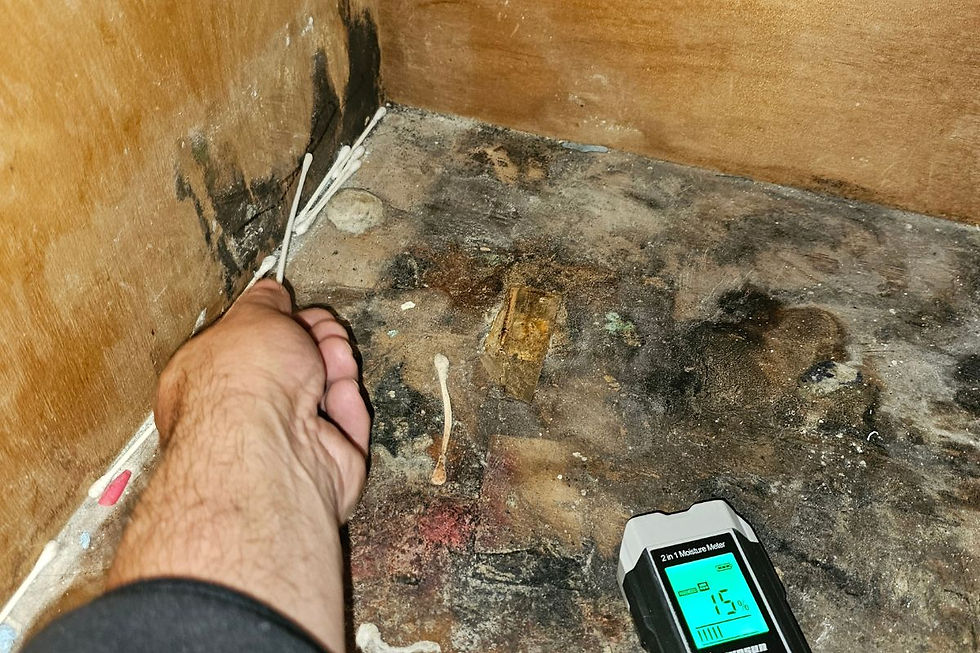
The inspector assesses areas visually, using thermal imaging and moisture meters to detect hidden dampness. Samples (air, surface, or inner-wall) are taken for lab analysis based on findings.
3.

Lab Analysis and Report Delivery
Samples are sent to a certified lab. The full report, including results, recommendations, and a detailed scope of work (if remediation is advised), is delivered within 3–4 business days.
4.

Post-Inspection Consultation
Your inspector reviews the findings, the likely source, and recommended actions with you. The report is written to stand on its own for tenants, insurers, or legal counsel. Follow-up questions are included at no charge.
What Our Satisfied Customers Say Online

Eve Viloria

We reached out for a mold inspection which started very stressful as one more thing to do for this house. Yet once I spoke to Leilani, it put my mind at ease. They were professional, responsive, and thorough. The inspector Jason made it simple and objective. Hiring them gave the best peace of mind!
I would use them again 100%.
Areas We Serve
Sacramento
McClellan Park
Mather
Foothill Farms
Rosemont
La Riviera
Florin
Rancho Murieta
Rio Linda
Fruitridge Pocket
Lemon Hill
Elk Grove
Elverta
Vineyard
Franklin
Wilton
Galt
Herald
Walnut Grove
Courtland
Hood
Clay
Isleton


Our Recent Articles
Office Building Mold Inspection in Sacramento
Mold in an office building creates overlapping problems: employee health complaints, tenant disputes, regulatory exposure, and structural damage that compounds with every month it goes undetected. Commercial HVAC systems, shared plumbing, and multi-tenant buildouts make office buildings particularly prone to hidden moisture issues that routine facility maintenance won't catch.
Mold Inspection Service provides independent mold testing and moisture assessment for office buildings, commercial complexes, and multi-tenant properties throughout Sacramento and 21 surrounding Northern California counties. We do not perform remediation, which means our findings carry no financial incentive. Reports are built to be trusted by building owners, property managers, tenants, insurers, and attorneys.

Most commercial building inspections require 2-4 hours, depending on square footage and complexity. Large warehouses or multi-story office buildings may require additional time for thorough assessment of all areas and HVAC systems.
Our non-invasive testing methods minimize disruption to daily operations. We offer flexible scheduling, including evenings and weekends, and most sampling can be completed while businesses remain open.
Yes, our laboratory analysis identifies specific mold species, including black mold (Stachybotrys) and other potentially harmful varieties. Air and surface samples help determine both the types and concentration levels of mold spores present in your commercial space.
Regular testing is recommended at least annually or whenever there are signs of water intrusion, musty odors, or after events like flooding or leaks to prevent mold growth and costly repairs.
Frequently Asked Questions
What's at Stake in Your Building
Employee Health and Productivity
Mold exposure is linked to respiratory problems, headaches, fatigue, allergic reactions, and asthma flare-ups. In an office environment, these symptoms translate directly to increased sick days, reduced productivity, and workers' compensation exposure. When multiple employees in the same area report similar symptoms, indoor air quality is the first variable to rule in or rule out. An objective air quality test provides that answer.
Tenant Relations and Lease Liability
Tenant complaints about air quality or visible mold put the landlord-tenant relationship under immediate strain. Without third-party documentation, disputes become subjective. A certified inspection report establishes whether a problem exists, how extensive it is, and who bears responsibility based on the findings. For multi-tenant buildings, it also identifies whether contamination is isolated to one suite or crosses boundaries through shared walls, ductwork, or plumbing.
Building Value and Transaction Risk
Untreated mold deteriorates drywall, insulation, ceiling systems, and framing. Across a commercial property, deferred moisture issues become capital expenses that reduce NOI and complicate sales, refinancing, or lease negotiations. A clean inspection report or clearance letter strengthens your position. A surprise finding during buyer due diligence weakens it significantly.
Keep Your Indoors Clean and Save With These Specials


Schedule Your Office Building Mold Inspection
Mold in a commercial building affects employee health, tenant relationships, and property value simultaneously. An independent inspection gives you certified data on what's present and a defensible record of your response. Our reports are trusted by building owners, property managers, tenants, insurers, and attorneys.